Since 1974, KHDS has been part of the fabric of the Kenosha County community...
The Foundation: Crisis Response for Youth
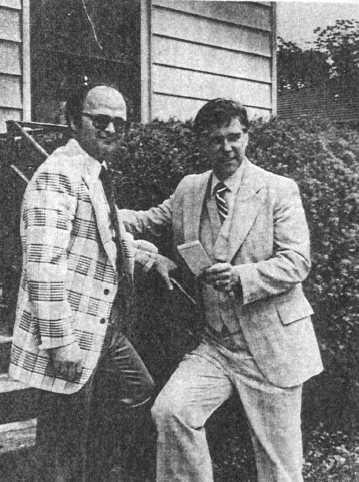
The 70's
KHDS was incorporated in December 1973, founded on a simple belief: children and families in crisis deserve immediate, local support.
Throughout the 1970s, the agency built its early identity around:
- Opening juvenile group homes
- Launching a 24-hour Juvenile Crisis Program
- Establishing Children's Shelter Care
- Developing treatment foster care
The 80's
The 1980s marked KHDS’s expansion beyond youth services into adult mental health and independent living.
Key developments included:
- Hosting the Community Intervention Center
- Developing one of the nation’s early scattered-site independent living programs
- Opening a 4-bed emergency mental health residential facility (now the KARE Center)
- Beginning support for individuals with severe mental illness and AODA challenges
By 1980, KHDS adopted the Teaching Family Model, cementing a philosophy that behavior is learned — and new skills can be taught.
KHDS increasingly became the front door for behavioral health crisis services in Kenosha County.
Expanding into Adult Mental Health & Independent Living
Housing, HUD, and System Integration
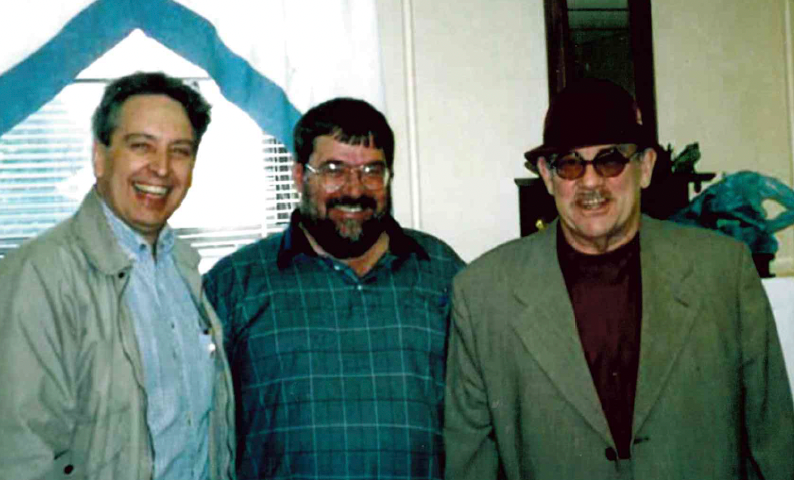
The 90's
In the 1990s, KHDS deepened its housing work and integrated with federal systems.
Major milestones:
- Launch of the Runaway and Homeless Youth Transitional Living Program
- Opening Columbus House for adult probation and parole clients
- Accessing U.S. Department of Housing and Urban Development HUD funding for transitional housing
- Becoming certified for Emergency Mental Health Services (DHS 34)
- Developing representative payee services and disability resource access
Another decade of KHDS building long-term stabilization in the community.
The 2000's
The 2000s brought formal certification, clinical expansion, and infrastructure growth.
Highlights:
- Fully accredited through the Teaching Family Association
- Expansion of the KARE Center after hospital psychiatric unit closure
- Launch of Medication Assistance and Peer Support Programs
- Hosting Bridges Community Center Bridges Community Center
- Becoming a provider of Comprehensive Community Services (CCS) for adults
- Lead agency for the Emergency Solutions Grant (ESG)
KHDS evolved into Kenosha’s behavioral health backbone, providing crisis care, case management, housing stabilization, and recovery services under one umbrella.
Professionalization & Community Infrastructure
The 2010's
The 2010s were defined by leadership within countywide systems.
Major expansions:
- Certified Community Support Program (CSP)
- Permanent Supportive Housing (PSH) projects
- Behavioral Health Clinic expansion with telepsychiatry
- Coordinated Entry integration with Crisis Prevention
- Lead agency for Emergency Food and Shelter Program (EFSP)
- Addition of youth representatives to the Board
- Opening of the new Crisis Prevention Center and expanded KARE Center
KHDS strengthened its role as a coordinated systems partner — bridging courts, hospitals, housing, and behavioral health.
Systems Leadership & Strategic Growth

Resilience, Pandemic Response & Youth Voice
Today
The 2020s began with historic disruption.
KHDS responded by:
- Leading ESG-CV emergency housing funding during COVID-19
- Expanding motel voucher capacity when funding collapsed
- Launching Therapy Addressing Pandemic Stress (TAPS)
- Maintaining crisis and shelter services during civil unrest
- Relocating facilities while ensuring continuity of care
- Launching Domestic Violence Coordinated Entry
- Establishing Youth Advisory Boards
- Joining KAFASI Just Response initiatives
- Adding Project Safe Space (2023)
KHDS demonstrated that crisis is not new — but resilience is intentional.